
Science is an important part of the academic picture at Cranleigh. This year our science students achieved outstanding results in public examinations. At GCSE, 58% of Physics grades were either 8 or 9 (the top two grades possible). In Chemistry, 55% of grades were 8 or 9 and in Biology 54%. At A Level, 60% of grades across all mathematics and science courses were in the top A*/A bracket.
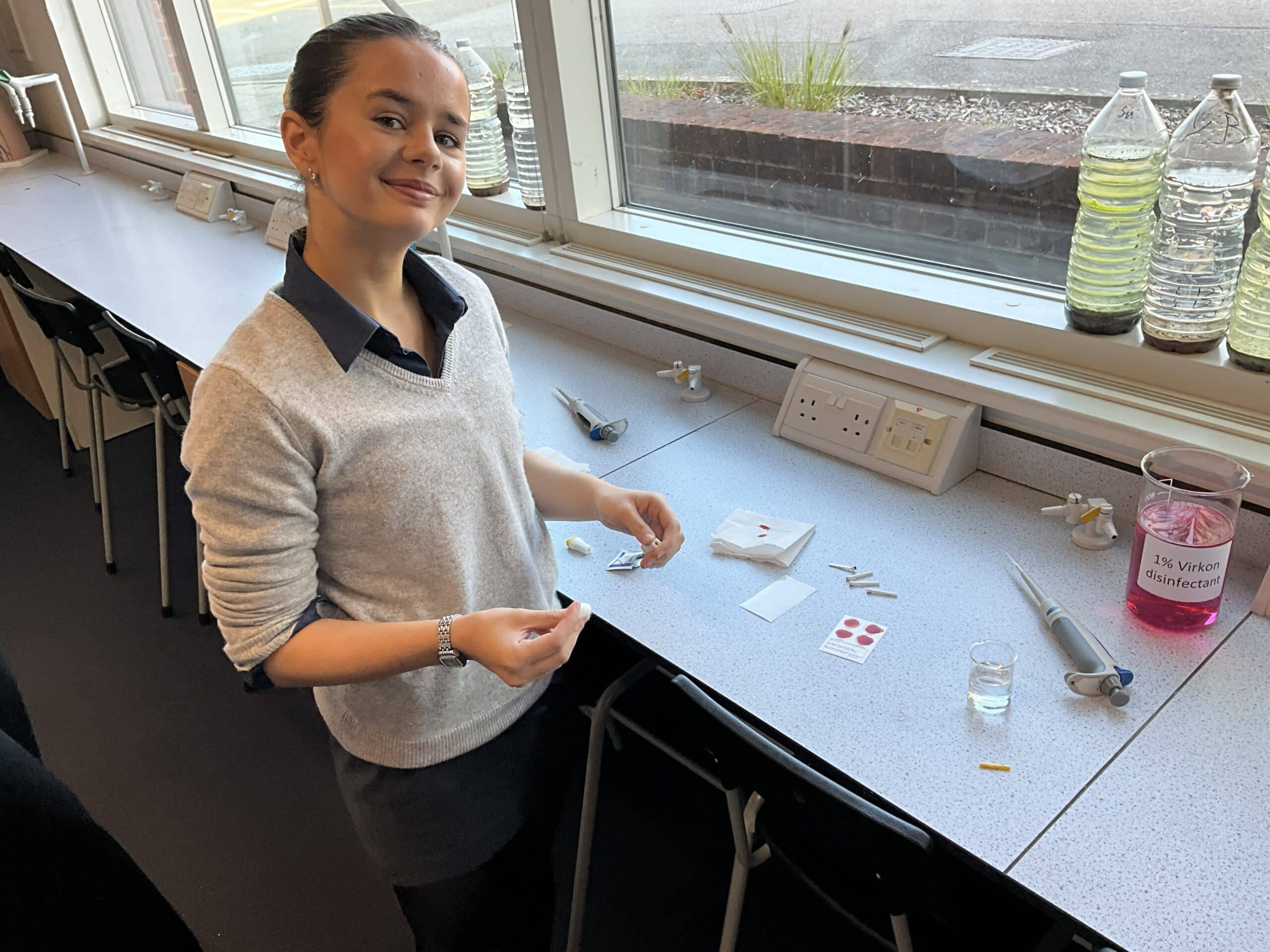
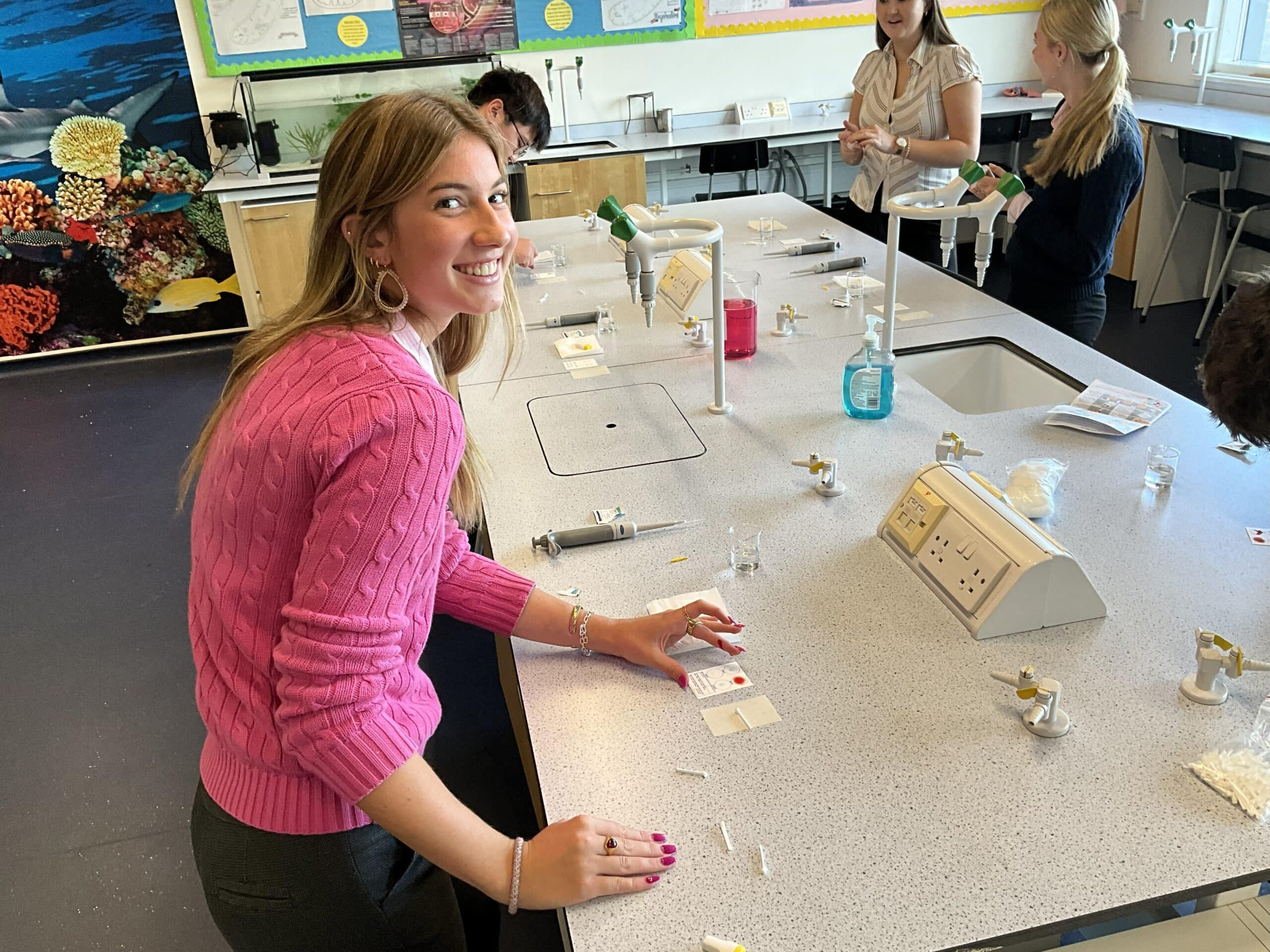
Cranleigh’s science labs have already been busy in the Michalemas Term with a blood testing practical which enabled Biology students to embed what they had learned about antigens.

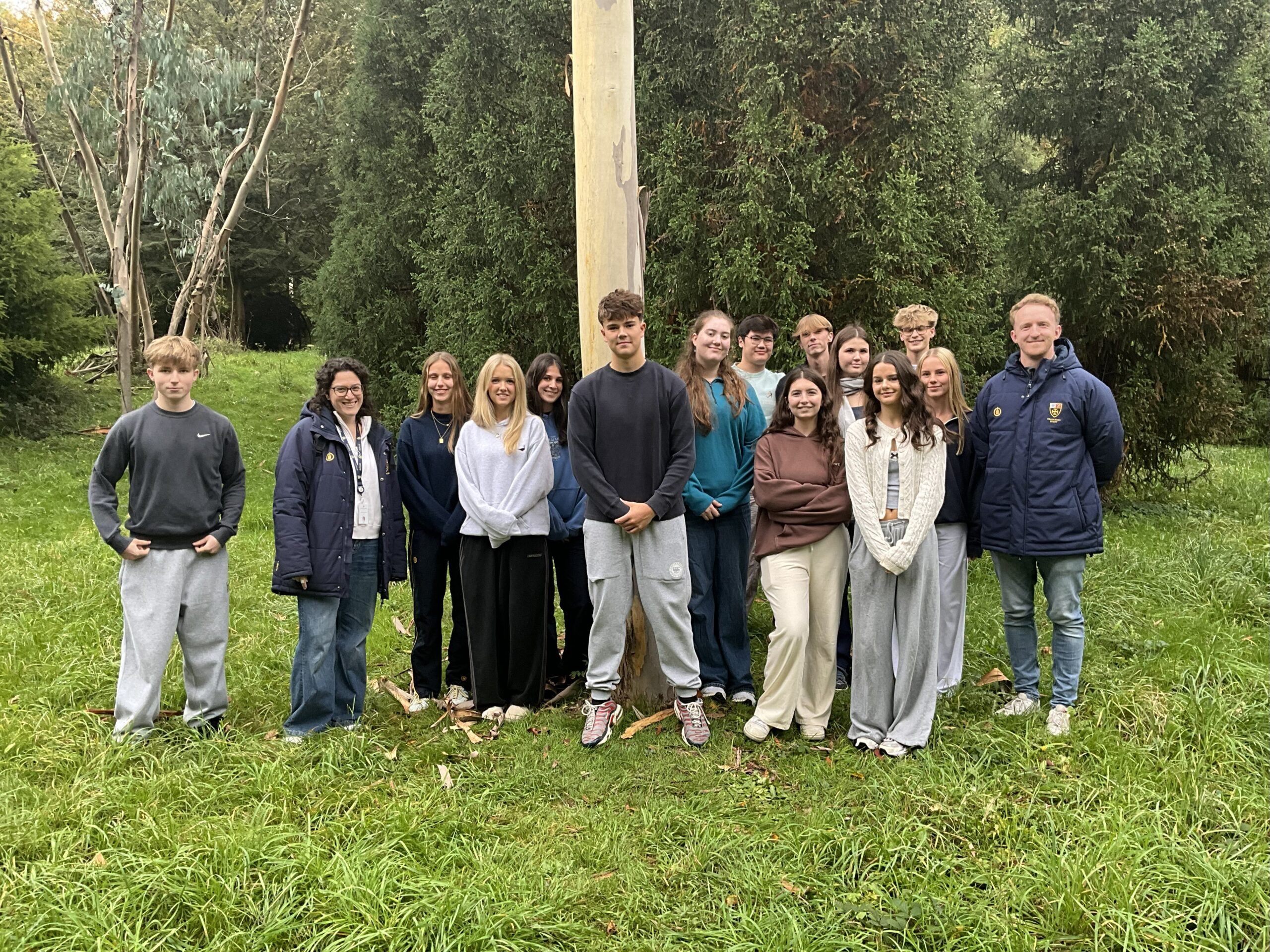
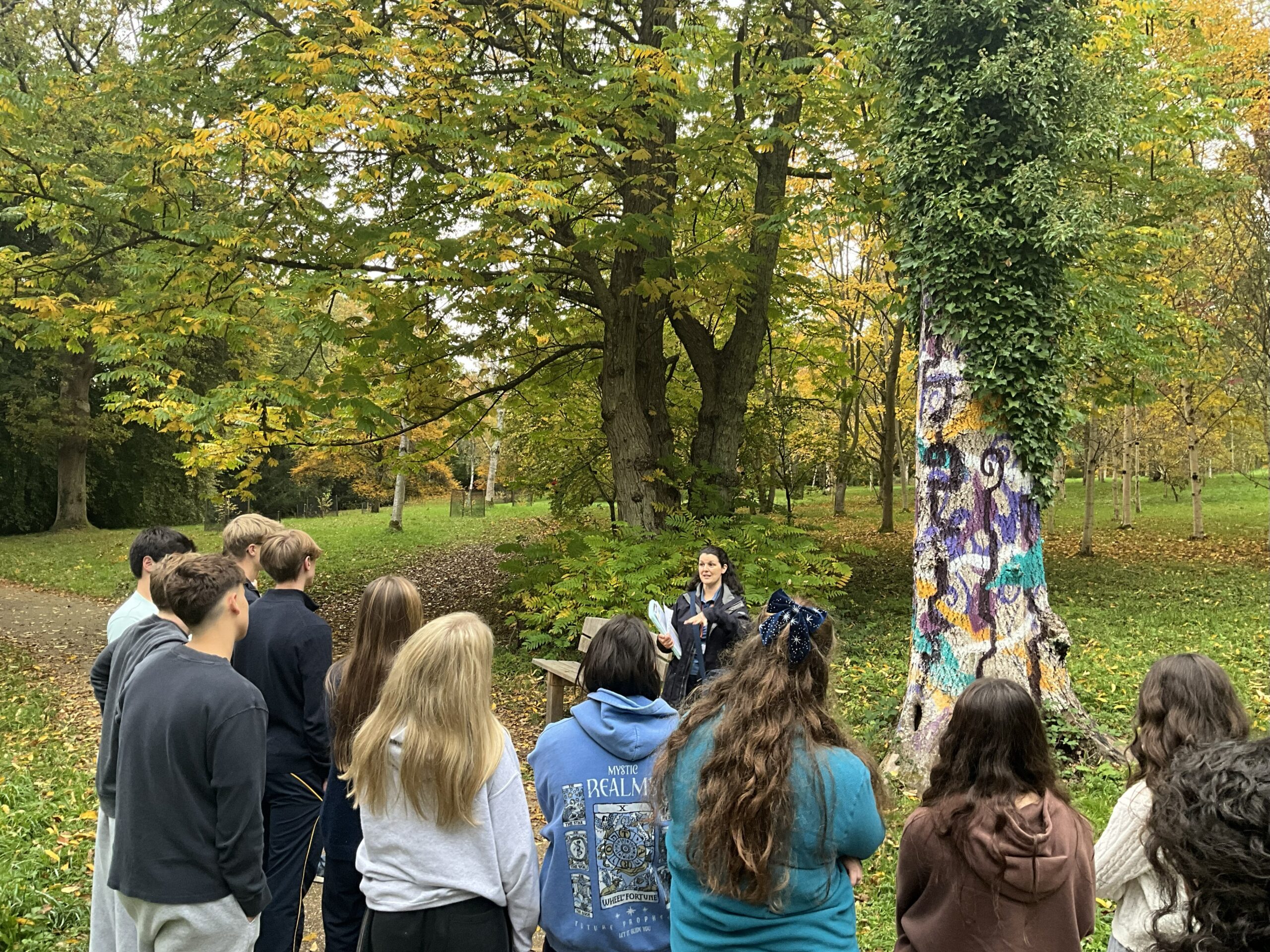
In October, our Upper Sixth Biologists took a field trip to the Wakehurst Millennium Seedbank, a globally significant research centre based in Sussex. Students learned how Wakehurst’s collections and research are used to restore damaged habitats across the world.

In November, Lower Sixth scientists attended Benenden School’s Science, Technology, Engineering and Maths (STEM) convention. CounterSpike, a company that designs chemical and electrochemical solutions to drink spiking, delivered the first half of the day’s talks, with Professor Kevin Honeychurch informing us about the chemistry behind their products.
Students also heard an interesting lecture by Professor George Gaskell, an Emeritus Professor of Psychology from the London School of Economics, who gave valuable insight into the innovative science behind the rapidly developing fields of biotechnology and artificial intelligence.
The day closed with talks from students regarding various fields of STEM including one from Maia C from our Upper Sixth who discussed the ethics of gene editing. Other talks covered the sustainability of fighter aircraft engineering and the science behind weight loss medication.

Toward the end of term Fifth and Sixth Form scientists used the case study of the Kursk submarine disaster in 2000 to discover how science can solve interconnected problems which at first glance seem to not be related.