Spanish is the official language of 21 countries and is the second language in the world in terms of the number of speakers. It is third language on the internet and the numbers of speakers worldwide is growing.
A person who can speak Spanish and English is able to communicate with 80% of the world’s population. In terms of the benefits of language learning in general, employers are always interested in applicants with languages skills because of the well-documented links between language learning and increased levels of mental flexibility, processing speeds, memory skills and their ability to multitask. Furthermore, in our increasingly global economy, employers value the crucial ability to work with overseas businesses in their own language, and since Spanish is now the second language of the USA, it is an incredibly useful language to have for the world of business in three continents.
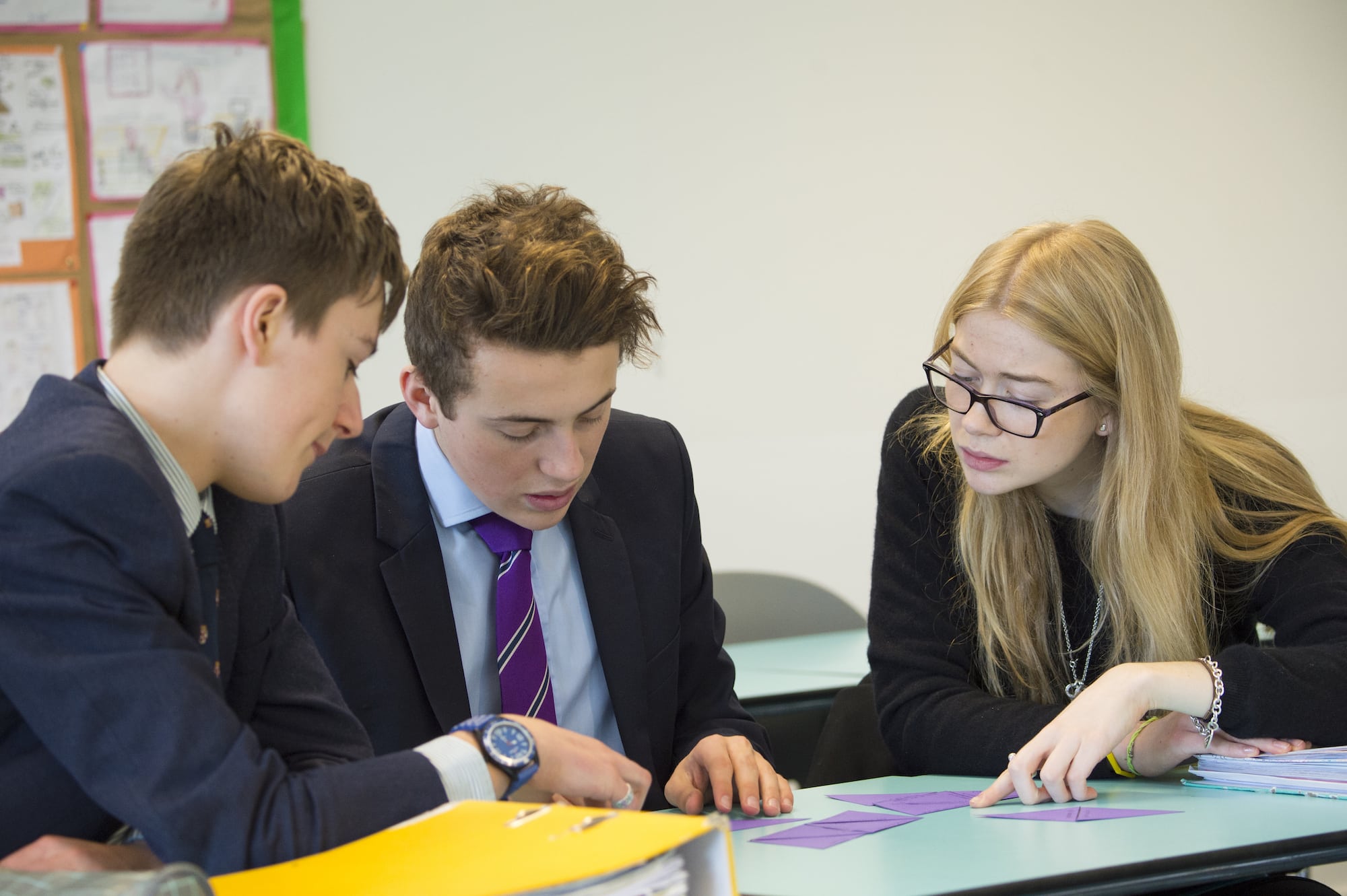
In Year 9, we cater for pupils who have no experience of Spanish (ab initio) and, increasingly, those who have studied the language previously. All pupils are introduced to the basics of pronunciation, and we work on listening, reading, speaking and writing skills straight away. We use a range of modern materials and adapt our teaching according to the previous experience of each student.
In Years 10 and 11, we follow the Edexcel IGCSE course. Vocabulary acquisition is crucial for success in the GCSE exams, but creativity and originality in written and speaking work are also rewarded. At this level, we also cover the seven main indicative tenses in Spanish, and so pupils become very familiar with the way in which verb conjugations work and become confident in using them in their writing and speaking. In order to prepare for the speaking exam and develop as much general fluency as possible, students have regular practice sessions on a one-to-one basis with their teacher and with additional support staff.
Two Year A Level
We follow the AQA Specification for A Level Spanish. The course is rooted in expanding students’ intercultural understanding and awareness of the Spanish-speaking world – the most noticeable change from IGCSE, which centres around the students’ own lives and experiences. We study topics of social and importance, such as the changing nature of family life and the role of women in Francoist and post-Francoist Spain, as well as cultural issues such as the Patrimonial Heritage of Pre-conquest Latin and Central America, and issues of immigration and integration.
All Sixth Form pupils have an individual timetabled lesson each week with our native speaking Spanish language conversation assistant, which is crucial in developing their confidence and fluency.
This course suits students who are interested in gaining an in-depth knowledge of the social, cultural and literary world of Spain and Latin America, as well as building significantly on the grammar and topic work covered in the Lower School. Students should be prepared to get involved and give their opinions and ideas from day one of the course.
Two Year AS
The two-year AS course in Spanish also follows the AQA Specification. The topics are similar to those studied at A Level, and one book or film is studied and examined. All exams take place at the end of the second year of study. This course may suit pupils looking to take three full A Levels and an AS, and the two-year linear nature of the course enables pupils to mature linguistically before being examined. This course is also popular amongst students whose other subjects focus on alternative disciplines (such as sciences and maths) but who wish to add an additional string to their bow in terms of a language for future employment or personal reasons
Trips & Events
Within the Spanish department, students are offered the opportunity to participate in a biennial trip to Spain. The most recent visit took place in Madrid, where pupils engaged in a range of cultural activities designed to deepen their understanding of Spanish history, society, and everyday life. These experiences included guided tours delivered in Spanish, visits to local schools, and structured language lessons. Accompanied by Spanish-speaking members of Cranleigh staff, students were supported in maximising the linguistic and cultural benefits of the trip. Many consistently highlight this experience as one of the most enjoyable and enriching aspects of their language studies, noting that it significantly strengthens their spoken Spanish and enhances their confidence in preparation for both mock and final oral examinations in Years 11 and 13.
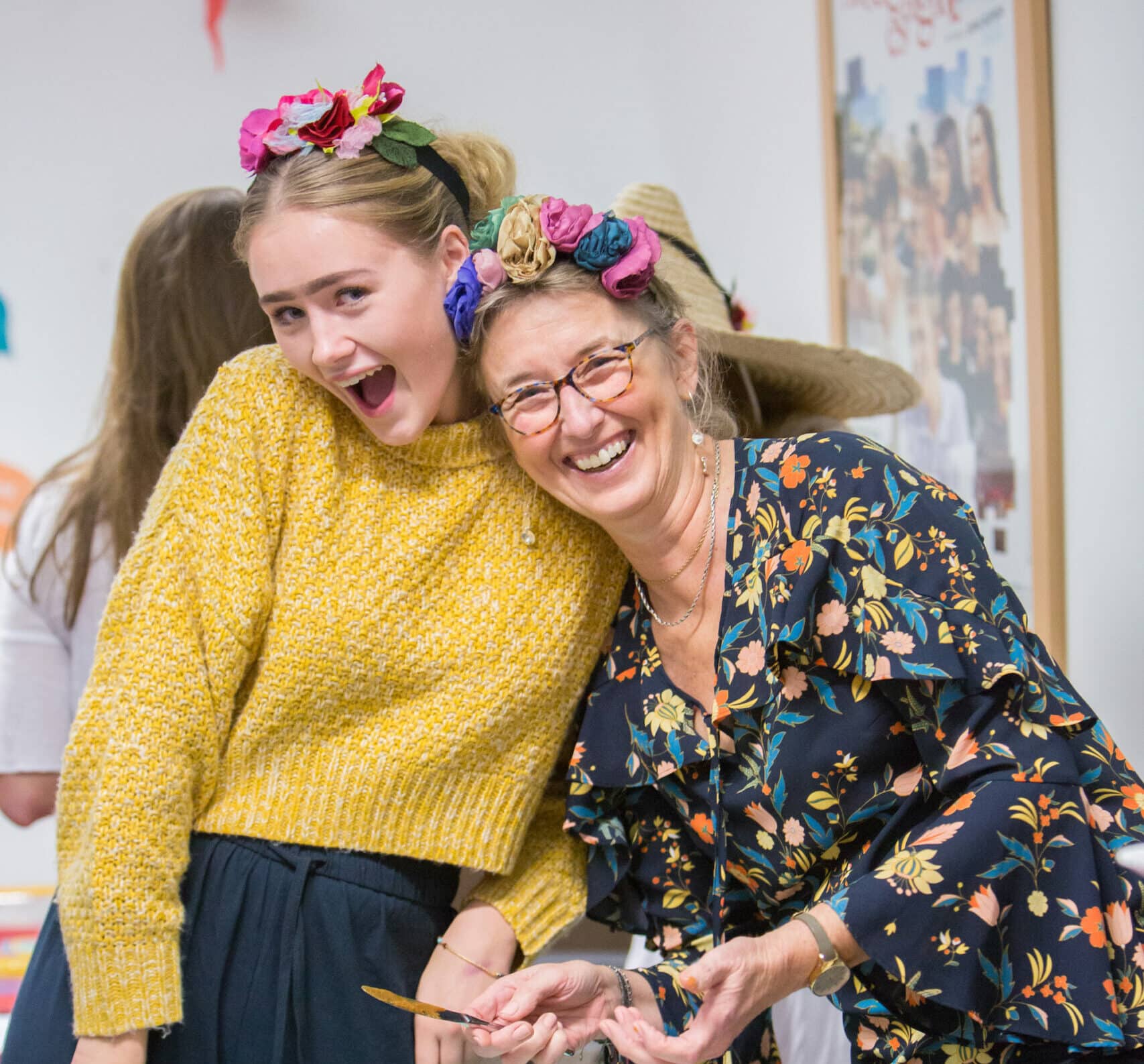
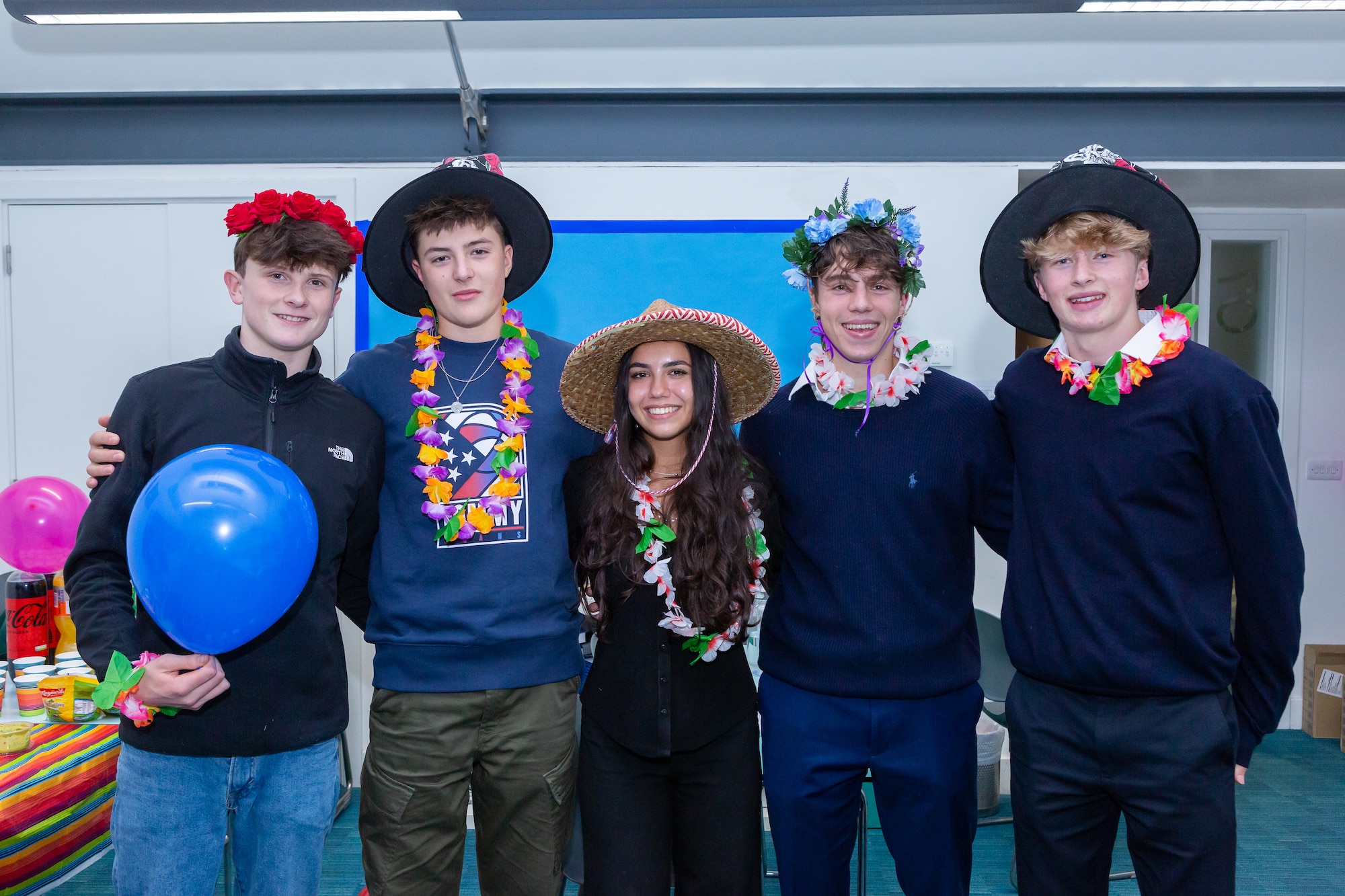
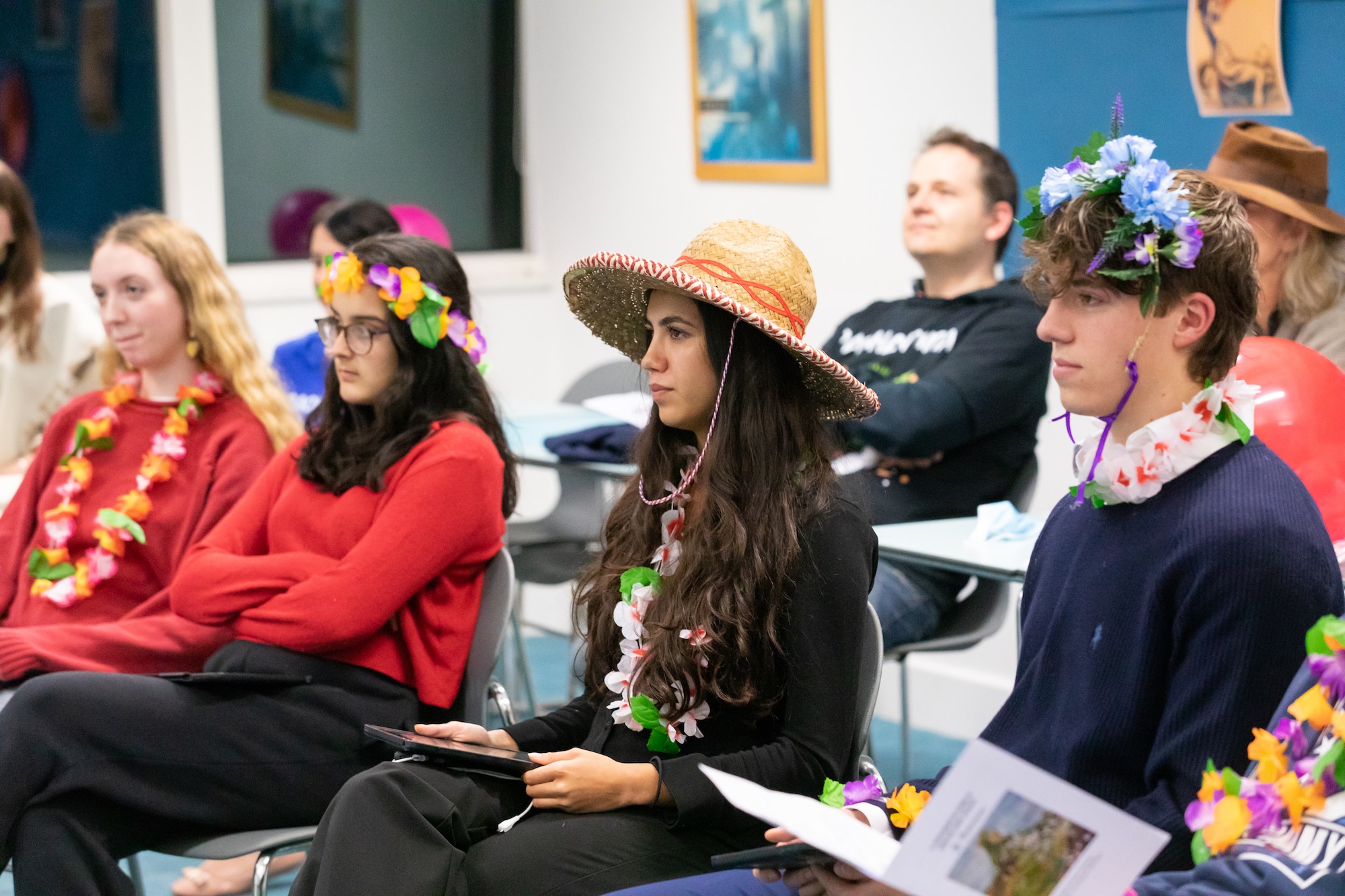
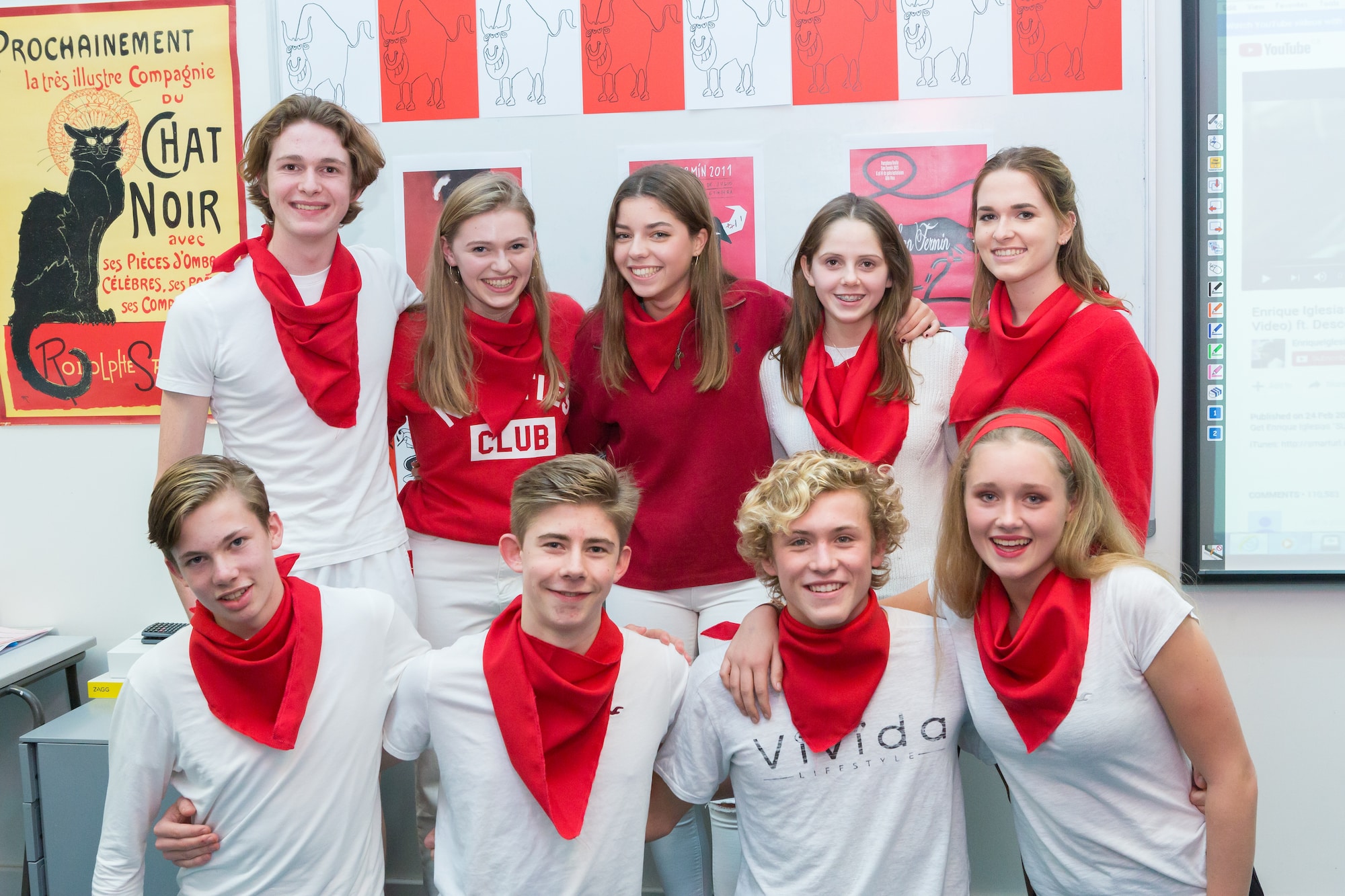
In addition to overseas visits, the department also organises a variety of cultural events on a termly basis. Recent activities have included Pelota Vasca practice, Spanish film club, karaoke in Spanish, and workshops on Spanish cuisine. These events serve to broaden students’ appreciation of the rich diversity of Spanish and Latin American culture while reinforcing their classroom learning.
The department further contributes to the wider academic and cultural life of the school through the annual Cernuda Poetry Competition, which is open to all students studying Classical and Modern Foreign Languages. This competition is designed to foster a deeper appreciation of literature, encourage creativity, and provide opportunities for pupils to explore poetic traditions beyond the formal curriculum.
Head of Spanish
Sara Gonzalez Saavedra
Head of Spanish